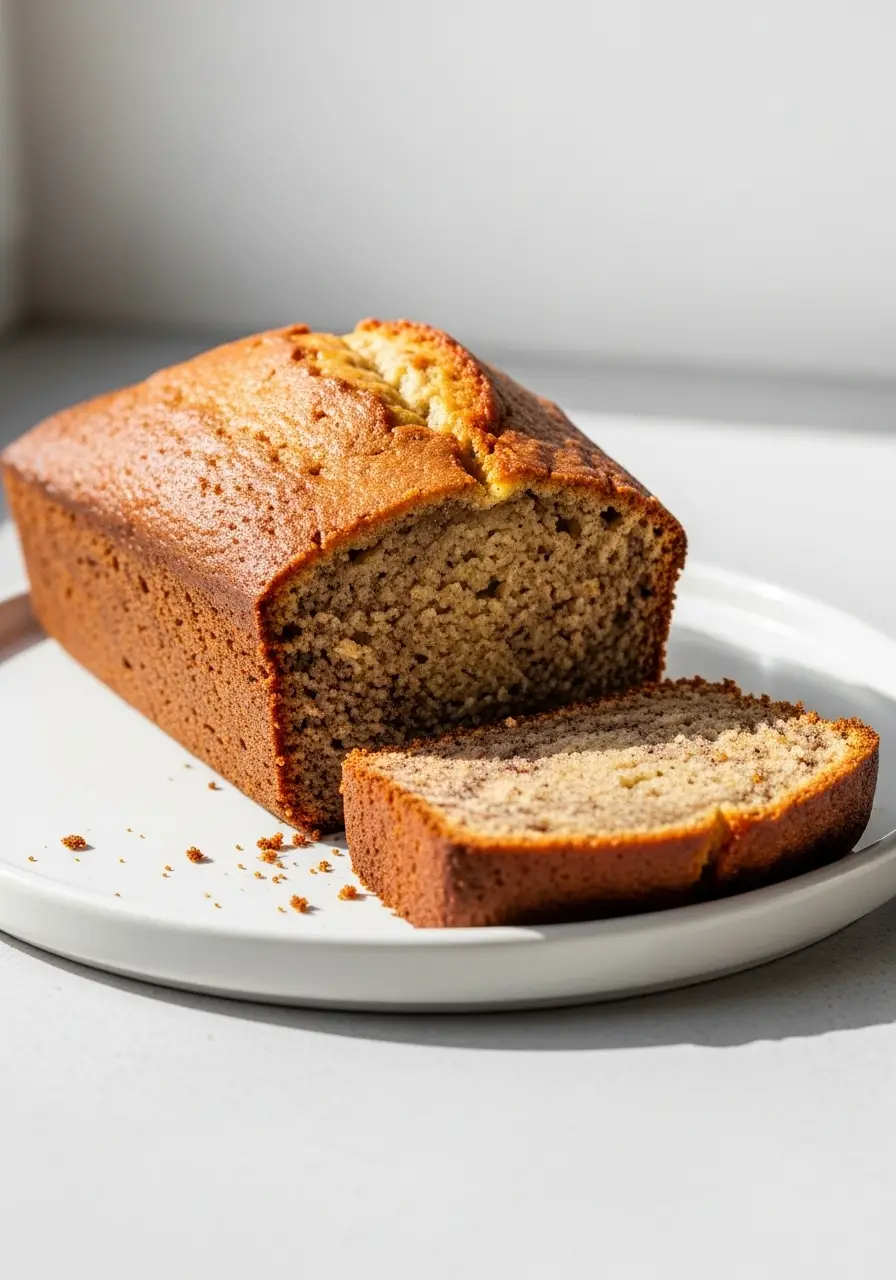
The aroma of warm, freshly baked banana bread is undeniably comforting, a timeless classic that evokes cozy kitchens and happy memories. But what if you're craving that comforting treat, only to find your butter dish empty? Or perhaps you're simply looking for a way to achieve an even moister, more tender loaf while potentially reducing saturated fat? Look no further! This comprehensive guide reveals the simple secret to baking an unbelievably delicious, ultra-moist no butter banana bread that might just become your new favorite recipe – all thanks to the humble yet powerful pantry staple: oil.
Forget the notion that butter is essential for a rich, flavorful quick bread. Our easy banana bread recipe with oil challenges that assumption, proving that a different fat can yield spectacular results. Prepare to bake a loaf that boasts a tender, bakery-quality crumb, bursting with deep banana flavor, and stays wonderfully fresh for days. Whether you've run out of butter, can't make it to the store, or simply desire a supremely moist texture, this recipe is your ultimate solution.
The Secret to Unbeatable Moisture: Why Oil Wins for Banana Bread
While butter has long been the darling of baking, a closer look at its composition reveals why oil is often the unsung hero for quick breads like banana bread. The magic of an exceptionally moist, tender loaf of no butter banana bread lies in simple food science. Butter, on average, consists of about 80% fat and 20% water and milk solids. When used in baking, this water content can contribute to gluten development in flour, potentially leading to a slightly tougher texture. Oil, however, is 100% fat.
This pure fat content from oil plays a crucial role. When oil is incorporated into your banana bread batter, it coats the flour proteins more effectively than butter. This superior coating inhibits gluten development, resulting in a significantly softer, more tender, and ultimately moister final product. The difference is palpable: quick breads made with oil often have a lighter, fluffier texture compared to their denser, butter-based counterparts. Moreover, oil helps the baked goods retain moisture for a longer period, meaning your delicious banana bread stays fresh and delightful for days after baking.
Beyond texture, oil allows the true star of the show – the ripe bananas – to shine. With no competing butter flavor, the sweet, rich essence of the fruit takes center stage, delivering an authentic, deep banana taste that is simply irresistible. Plus, the convenience factor is a huge bonus: no waiting for butter to soften, just measure and mix! For a deeper dive into the scientific benefits, explore our article on Oil vs. Butter: The Secret to Truly Moist Banana Bread.
Your Pantry's Powerhouse: Essential Ingredients for No Butter Banana Bread
Creating this ultra-moist no butter banana bread requires a handful of simple, accessible ingredients, most of which you likely already have on hand. The beauty of this recipe lies in its reliance on pantry staples, making it a go-to for those impromptu baking cravings.
Overripe Bananas: The Star of the Show
This is non-negotiable! The success of your banana bread hinges on using very ripe bananas. Look for bananas with abundant brown spots or even ones that are almost entirely black. Why? As bananas ripen, their starches convert to sugars, intensifying their sweetness. More importantly for quick breads, super ripe bananas are softer and contain more moisture, contributing directly to that desired tender crumb and rich flavor. Aim for about 3 large, very ripe bananas for a standard loaf.
Choosing Your Oil: Neutrality is Key
The choice of oil is critical. You want a neutral-flavored oil that won't overpower the delicate banana taste. Excellent choices include vegetable oil, canola oil, grapeseed oil, or even a light olive oil (not extra virgin, which can have too strong a flavor). These oils provide the necessary fat without introducing unwanted notes. The exact quantity will vary by recipe, but generally, it's around ½ to ¾ cup for a standard loaf.
Flour Power: Structure and Texture
All-purpose flour forms the structural backbone of your banana bread. Accuracy in measuring flour is vital to prevent a dry or dense loaf. The best method is to spoon the flour into your measuring cup and then level it off with a straight edge, rather than scooping directly from the bag, which can compact the flour and lead to using too much.
Sweetness and Leavening: Sugar, Baking Soda, Salt, and More
- Sugar: Granulated sugar adds sweetness, aids in browning, and contributes to the bread's overall moisture.
- Baking Soda: This leavening agent reacts with the natural acids in ripe bananas (and sometimes added buttermilk or yogurt) to produce carbon dioxide, giving your bread its rise and a tender texture.
- Salt: A pinch of salt is essential for balancing and enhancing all the other flavors in the bread, preventing it from tasting flat.
- Eggs: Eggs act as a binder, adding structure, richness, and helping to create that moist, tender crumb.
- Vanilla Extract: A splash of good quality vanilla extract always elevates the flavor profile, complementing the banana beautifully.
Optional Add-ins: Elevate Your Loaf
Once you master the basic no butter banana bread recipe, the possibilities for customization are endless. Consider folding in:
- Chocolate chips for a delightful no butter chocolate chip banana bread.
- Chopped walnuts or pecans for a classic no butter banana nut bread.
- A sprinkle of cinnamon or nutmeg for added warmth.
- Shredded coconut for a tropical twist.
Baking Bliss: Step-by-Step for Your Moist No Butter Banana Bread
One of the many joys of baking this no butter banana bread is how straightforward and forgiving the process is. It's a true "one-bowl wonder" that comes together quickly, making it perfect for a spontaneous baking session or when you need a comforting treat in a hurry.
Simple Preparation, Minimal Cleanup
You can typically prepare the batter in just 10-15 minutes, not including the baking time, of course. This is an oven-baked recipe, designed for your home oven, not a bread machine. The minimal effort for maximum deliciousness makes it a household favorite.
The Method: Mash, Mix, Bake
While specific measurements will vary slightly by recipe, the general process remains consistent:
- Preheat and Prep: Preheat your oven to the recommended temperature (usually around 350°F or 175°C) and grease a standard loaf pan.
- Mash the Bananas: In a large bowl, thoroughly mash your ripe bananas with a fork until mostly smooth, with a few small lumps if you like a little texture.
- Combine Wet Ingredients: Add the oil, sugar, eggs, and vanilla extract to the mashed bananas. Whisk or stir until well combined.
- Incorporate Dry Ingredients: In a separate bowl, whisk together the flour, baking soda, and salt. Gently add the dry ingredients to the wet ingredients, stirring just until combined. Crucially, avoid overmixing! Overmixing develops gluten, which can lead to a tough, dense bread. A few streaks of flour are perfectly fine.
- Fold in Add-ins: If using chocolate chips, nuts, or other additions, gently fold them into the batter.
- Bake: Pour the batter into your prepared loaf pan and bake for 50-70 minutes, or until a toothpick inserted into the center comes out clean. The top should be golden brown and spring back when lightly touched.
- Cool: Allow the bread to cool in the pan for about 10-15 minutes before carefully transferring it to a wire rack to cool completely. This prevents the bottom from getting soggy.
Troubleshooting and Tips for Success
- Don't Overmix: We can't stress this enough! Gentle mixing is key to a tender loaf.
- Trust the Toothpick: This is the most reliable way to check for doneness.
- Storage: Once completely cooled, store your banana bread in an airtight container at room temperature for up to 3 days, or in the refrigerator for up to a week. It also freezes beautifully for up to 3 months.
- Repurpose Overripe Bananas: If you have an abundance, peel and freeze them for future banana bread batches or smoothies.
If you're ever in a pinch and wonder, Run Out of Butter? Bake Easy, Moist Banana Bread with Oil, this recipe is your answer.
Beyond the Basic Loaf: Creative Variations
The versatility of this no butter banana bread recipe is truly remarkable. Once you have the basic formula down, feel free to unleash your creativity. Turn it into delightful mini loaves, perfect for gifting, or bake them as muffins for a quick grab-and-go breakfast. Consider adding a cream cheese swirl or a crumbly streusel topping for an extra layer of indulgence. Experiment with different spices like cardamom or allspice to introduce new flavor dimensions. The tender, moist canvas created by using oil makes it the perfect foundation for countless delicious variations.
In conclusion, embracing oil instead of butter in your banana bread recipe isn't just a clever substitution for when you're out of a key ingredient; it's a deliberate choice that elevates the final product. This method consistently delivers an incredibly moist, tender, and deeply flavorful loaf of no butter banana bread that stands tall against any traditional recipe. It's easy to make, uses simple pantry ingredients, and offers endless possibilities for customization. So, the next time those overripe bananas call your name, reach for the oil, and prepare to bake a masterpiece that will surely become a cherished family favorite.
